




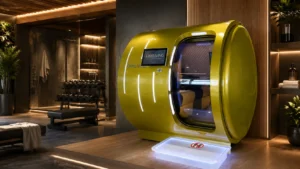
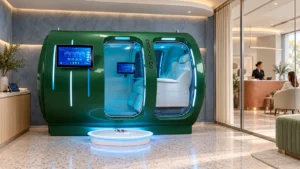
If you’ve read anything about oxygen chambers, you’ve almost certainly seen the figure 2 ATA pressure — often mentioned as if everyone already knows what it means. In reality, it’s one of the most important numbers to understand before choosing or using a chamber, and it’s simpler than it sounds. This guide explains exactly what 2 ATA pressure means, where the number comes from, why pressure matters so much in an oxygen chamber, and what it actually feels like during a session — all in plain language.
What does 2 ATA pressure mean?
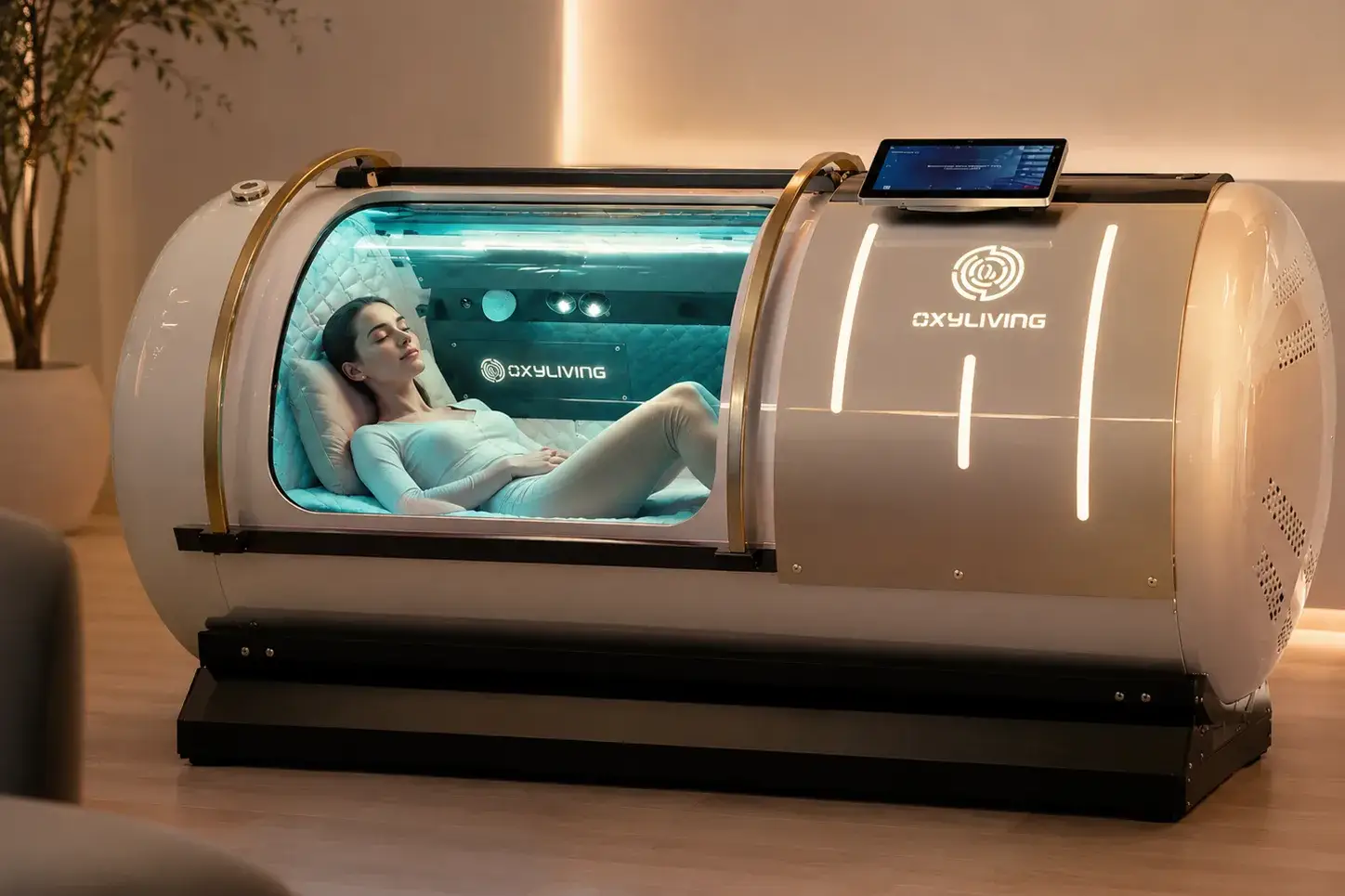
ATA stands for “atmospheres absolute,” a unit used to measure pressure. One ATA is the normal air pressure we all experience at sea level. So 2 ATA pressure simply means twice that — double the pressure you feel standing outside on an ordinary day. Inside a hyperbaric oxygen chamber operating at 2 ATA, the surrounding pressure is raised to twice the sea-level baseline, while you breathe oxygen-rich air. That combination is the whole idea behind the high-pressure oxygen experience.
Understanding atmospheres: the basics of pressure
To really understand 2 ATA pressure, it helps to picture how pressure works in the first place. We live at the bottom of an ocean of air, and the weight of that air presses on us constantly — we just don’t notice it because we’ve never known anything else.
One atmosphere (1 ATA)
At sea level, that everyday pressure is defined as one atmosphere, or 1 ATA. It’s the baseline against which other pressures are measured. If you’d like the precise physics, the atmosphere as a unit of pressure is a well-defined standard used across science and engineering.
Two atmospheres (2 ATA)
When pressure doubles to 2 ATA, the surrounding force on your body is twice the sea-level baseline. For a sense of scale, that is roughly the pressure found ten metres below the surface of water. A hyperbaric chamber reaches the same figure with air alone, raising the pressure around you in a controlled, gradual and comfortable way. That’s all 2 ATA pressure really is: a precise, familiar amount of pressure, delivered safely.
Why 2 ATA pressure matters in an oxygen chamber
Pressure isn’t just a technical detail — it’s central to how the whole experience works. Normally, most of the oxygen you breathe is carried around the body attached to red blood cells, which are already close to fully loaded. Simply breathing harder doesn’t add much. The interesting part happens when oxygen-rich air is combined with higher pressure.
Under 2 ATA pressure, more oxygen dissolves directly into the fluid part of the blood — the plasma — beyond what the red blood cells carry. That dissolved oxygen can travel through the circulation and reach tissue that depends on a steady supply. This is why both ingredients matter together: oxygen-rich air alone, or pressure alone, doesn’t achieve the same thing. It’s the specific combination at around 2 ATA pressure that defines a genuine high-pressure oxygen session. You can read more about the underlying idea on our high-pressure oxygen page.
It’s worth being honest here: high-pressure oxygen is an area of interest and ongoing research, not a promise of specific results. But the reason chambers are built around 2 ATA pressure rather than a lower figure comes down to this physics of how the body absorbs oxygen.
What 2 ATA pressure feels like
One of the most common questions is whether 2 ATA pressure is uncomfortable. The reassuring answer is that it’s gentle. The chamber doesn’t jump to full pressure; it rises slowly over several minutes. As it does, you’ll feel a light fullness in your ears — exactly the same sensation as an aircraft descending or driving down from a mountain. A simple swallow, yawn or gentle equalizing clears it, and you can do this as many times as you like as the pressure settles.
Once the chamber reaches 2 ATA pressure, it simply holds steady, and there’s nothing to feel or manage — you just breathe normally and relax. At the end of the session, the pressure eases back down slowly, with the same easy ear sensation in reverse. Most people find the whole process calm and completely comfortable.
2 ATA pressure versus lower-pressure chambers
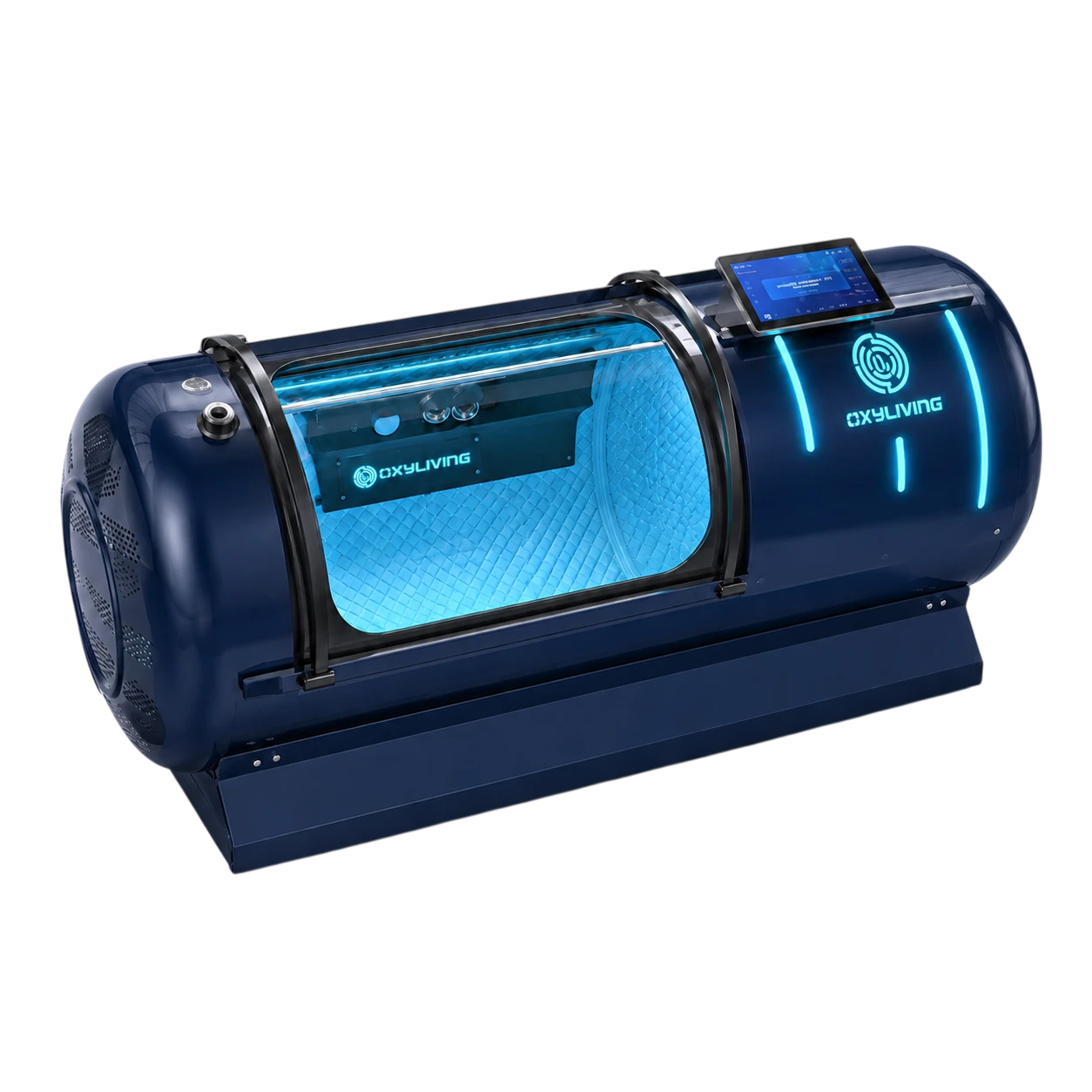
Not every chamber reaches 2 ATA pressure, and this is where the difference between chamber types becomes important. Rigid, hard-shell chambers built from aluminium are designed to reach and hold around 2 ATA pressure consistently, session after session. Soft, inflatable chambers, by contrast, operate at lower pressure because their flexible walls limit how much pressure they can safely sustain.
Since the benefit people associate with high-pressure oxygen depends on meaningful, stable pressure, the ability to hold 2 ATA pressure is a key thing to look for. Two chambers can look similar yet deliver very different experiences simply because of the pressure they maintain. If you’re weighing your options, our guide comparing chamber types explains the trade-offs in more detail.
Is 2 ATA pressure safe?
Used properly in a well-designed chamber, 2 ATA pressure is a controlled and well-understood level of pressure. Quality chambers manage it with a gradual, smooth rise and fall, multiple oxygen sensors and automatic ventilation to keep the cabin fresh. The pressure itself is modest and tightly controlled — well inside the range these cabins are certified and tested for, rather than anything extreme. As with any wellbeing practice, using a chamber that’s well engineered and following the manufacturer’s guidance is what keeps the experience safe and comfortable.
Which Oxyliving chambers run at 2 ATA?
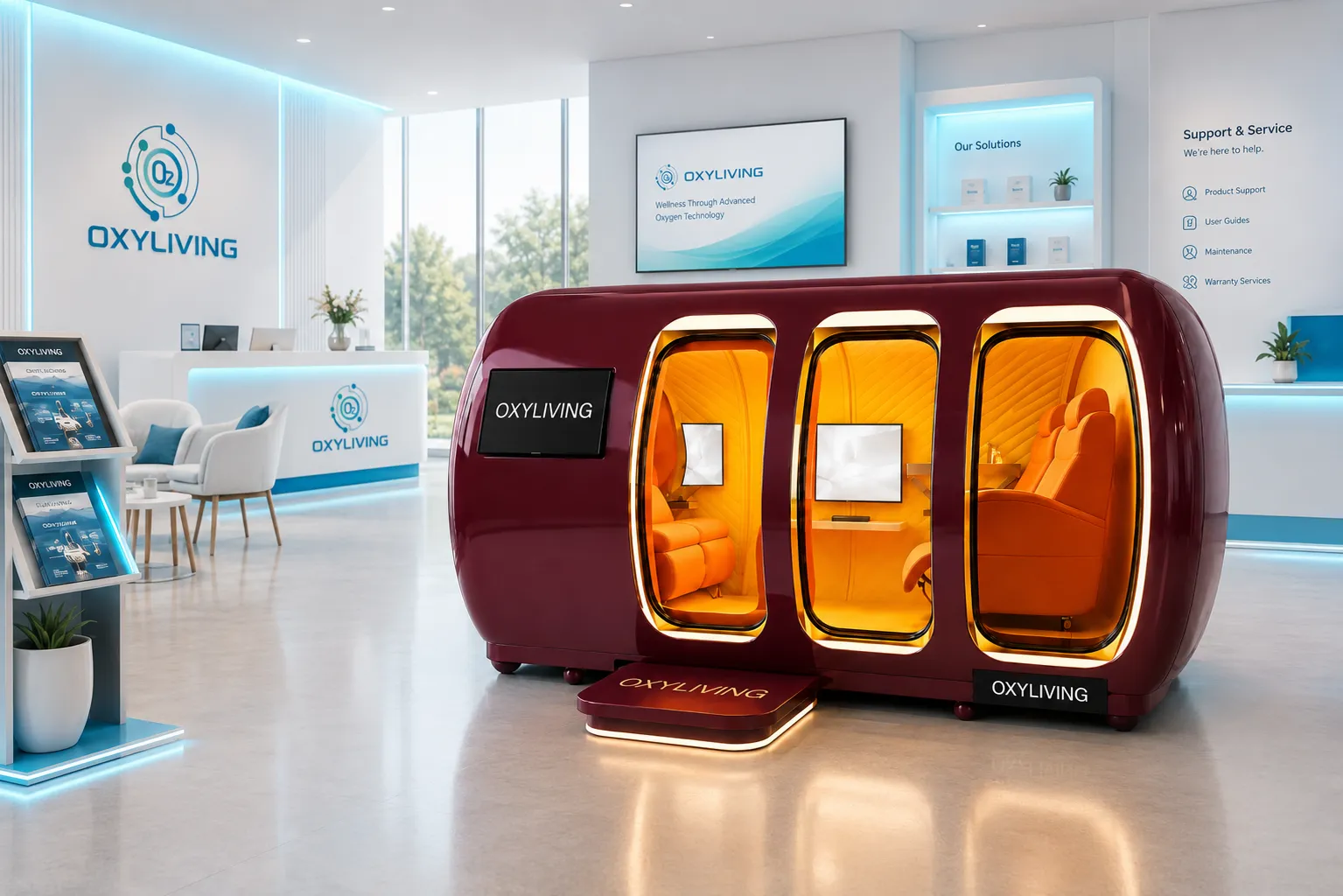
Every model in the Oxyliving range is engineered for a working pressure of up to approximately 2 ATA, from the single-seat Avicenna capsule to the 12+2 capacity Biruni multiplace room. Pressure capability is the same across the range; what changes between models is capacity, cabin format and footprint. You can compare all seven side by side on the models page.
If you are choosing between chambers, working pressure is one of four things worth checking together. The other three are shell type — hard-shell versus soft-shell, since soft-shell units typically top out well below 2 ATA — where the oxygen comes from, and which pressure vessel standards the cabin is certified against. A chamber quoted at 2 ATA without a pressure vessel certificate behind it is not the same product as one built and audited to BS EN 13445-2.
Frequently asked questions
What does 2 ATA pressure mean in simple terms?
It means twice the normal air pressure at sea level. Inside a hyperbaric chamber at 2 ATA, the pressure around you is twice the sea-level baseline, while you breathe oxygen-rich air.
Why do oxygen chambers use 2 ATA pressure?
Because the combination of oxygen-rich air and meaningful pressure helps more oxygen dissolve into the bloodstream. Around 2 ATA pressure is a well-established level that delivers the fuller high-pressure oxygen experience.
Does 2 ATA pressure hurt?
No. The rise to 2 ATA pressure is gradual, and the only sensation is a gentle fullness in your ears — like flying — that clears easily by swallowing or yawning. Once at pressure, there’s nothing to feel.
Can all oxygen chambers reach 2 ATA?
No. Rigid hard-shell chambers are built to reach and hold around 2 ATA pressure, while soft inflatable chambers operate at lower pressure because their flexible walls limit how much pressure they can sustain.
How long does it take to reach 2 ATA pressure?
Usually several minutes. The chamber pressurizes slowly and comfortably, giving you time to equalize your ears as the pressure rises toward 2 ATA.
The bottom line
2 ATA pressure simply means twice the normal air pressure at sea level — delivered safely and gradually inside a hyperbaric chamber. It matters because that meaningful, stable pressure, combined with oxygen-rich air, is what defines a genuine high-pressure oxygen session. When choosing a chamber, the ability to reach and hold around 2 ATA pressure is one of the most important things to look for. To see chambers built for consistent 2 ATA pressure, explore our range of oxygen chambers or request a quote and we’ll help you choose.
These are areas of general interest and ongoing research — not promises of results. High-pressure oxygen is not a substitute for medical advice or diagnosis. Please consult a physician for any decisions about your health.
Related Posts
September 21, 2026
How Much Does a Hyperbaric Chamber Cost?
Hyperbaric chambers have no list price. What actually drives the cost, what you…

September 21, 2026
What Does Hyperbaric Mean? Rooms and Chambers Explained
Hyperbaric is a technical term for pressure above normal. What the word means,…