





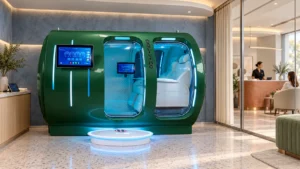
If you’ve started looking into oxygen chambers, one choice comes up again and again: a rigid hard-shell oxygen chamber or a soft, tent-like inflatable one. They can look interchangeable at first glance, but a hard-shell oxygen chamber and a soft-shell chamber are built on different engineering, operate at different pressures, and suit different needs. This guide breaks down the difference in plain terms, so you can decide which one actually fits your space, your goals and your budget.
Hard-shell oxygen chamber vs soft-shell: the short answer
A hard-shell oxygen chamber is rigid, usually built from aluminium, and holds higher, more stable pressure — typically around 2 ATA. Soft-shell chambers are flexible, inflatable and portable, but operate at lower pressure. If consistent higher pressure, durability and a premium experience matter most, a hard-shell oxygen chamber is the stronger choice. If portability and a lower entry price are the priority, a soft-shell chamber may be enough. The rest of this article explains why.
What is a hard-shell oxygen chamber?
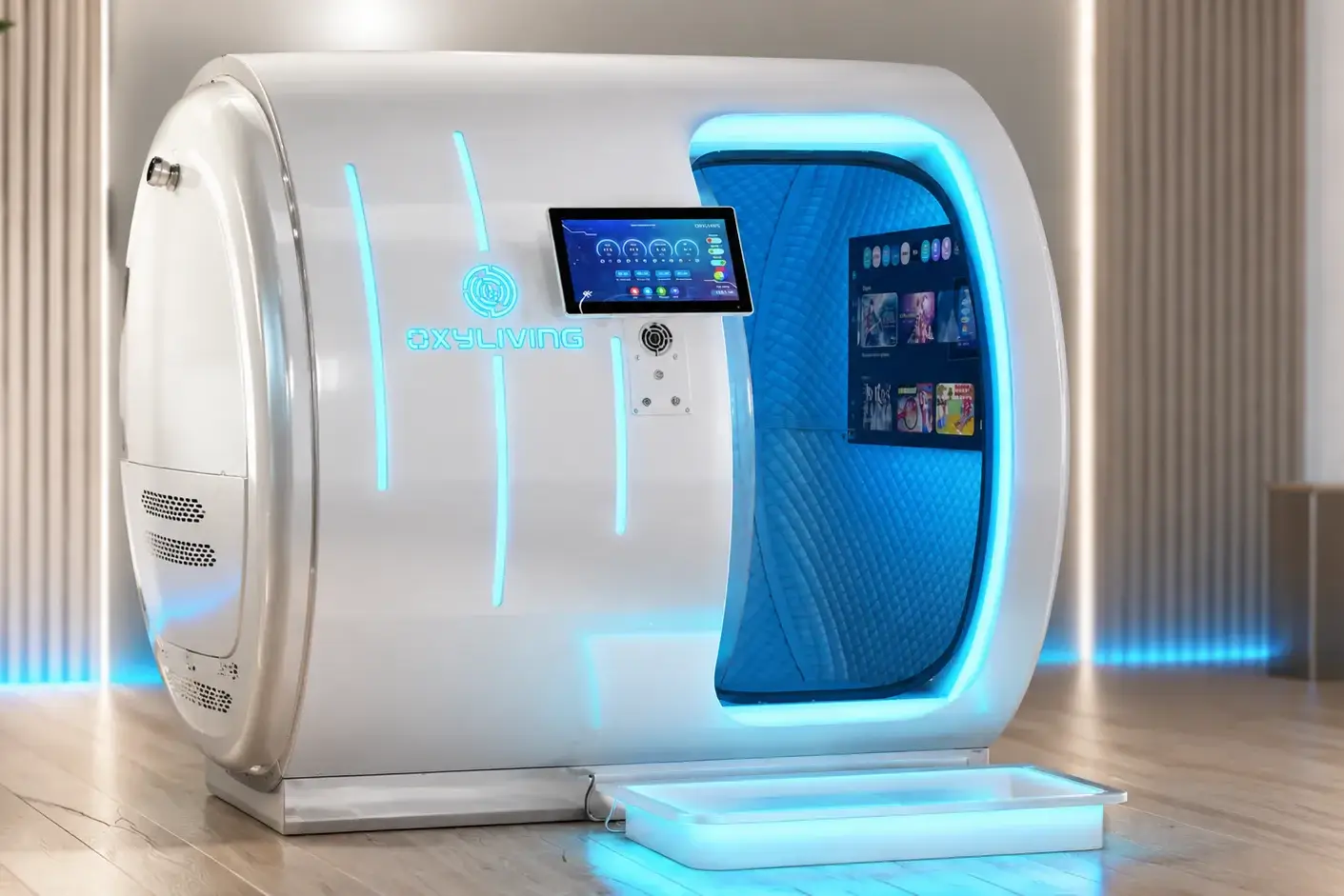
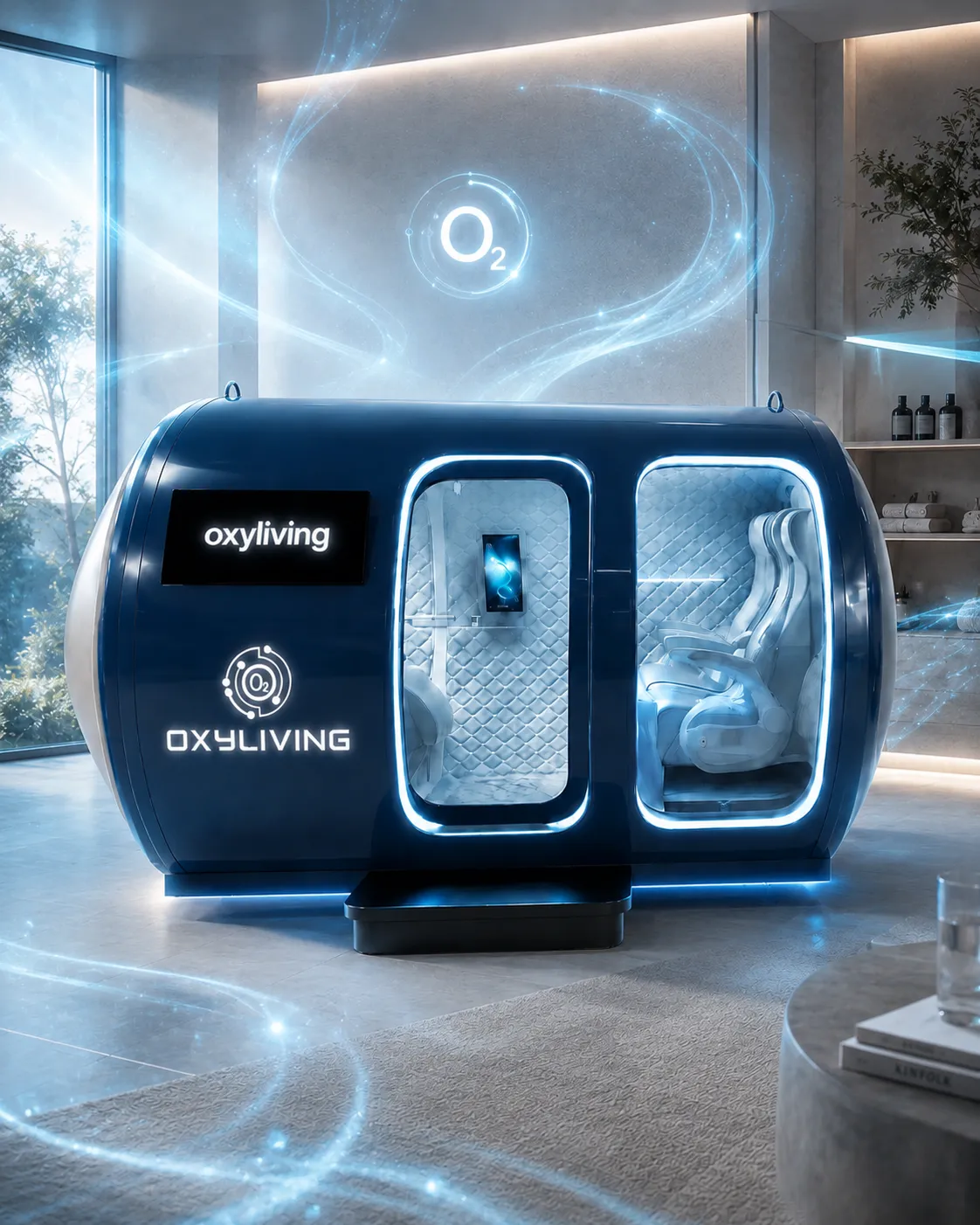
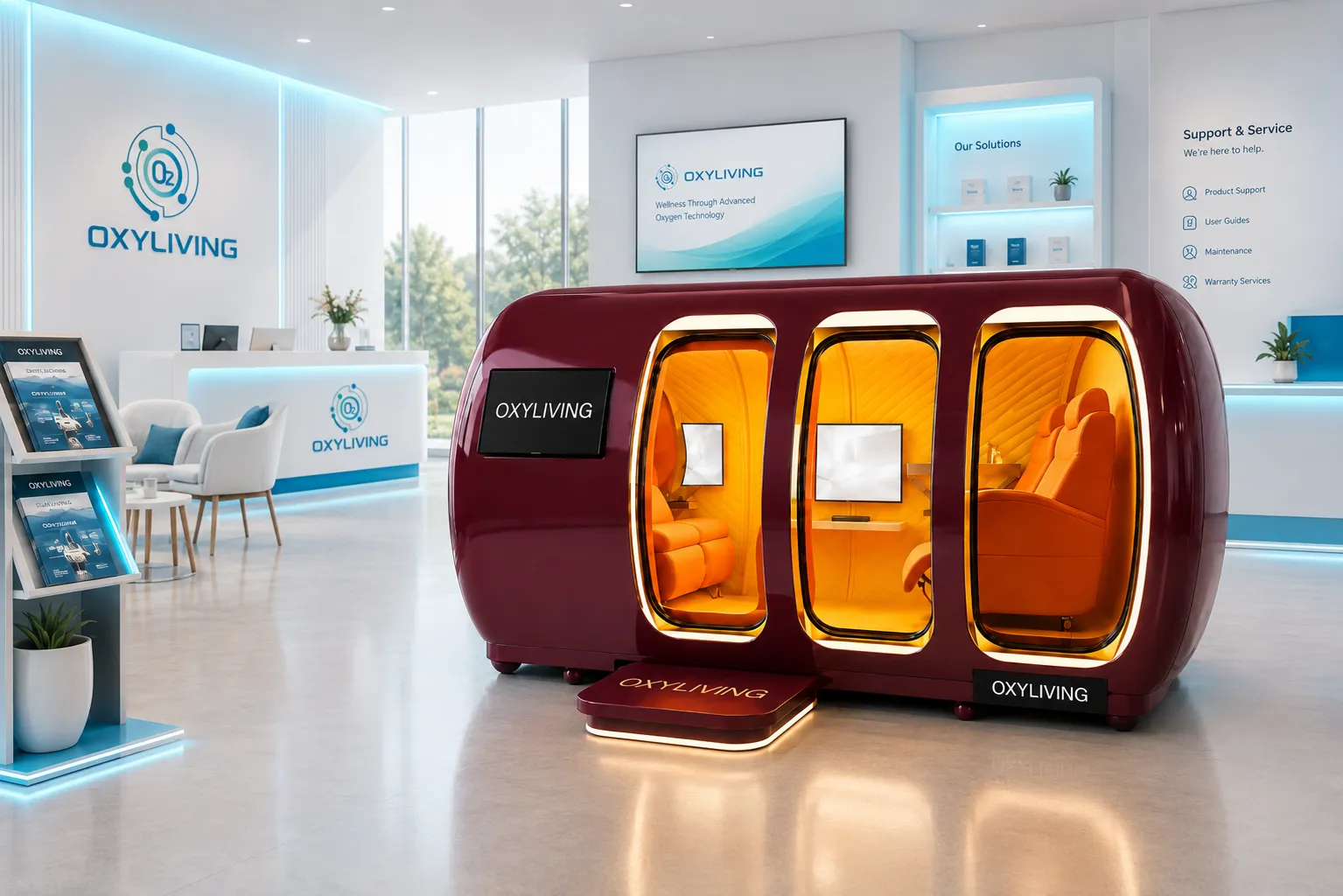
A hard-shell oxygen chamber is a rigid, sealed capsule or room, most often constructed from marine-grade aluminium such as 5083 alloy. Because the structure is solid, it can safely hold higher pressure and keep it steady throughout a session. Hard-shell chambers usually feature a proper door and seal, viewing windows, interior lighting, comfortable seating or a reclining surface, and built-in systems for oxygen generation and ventilation.
The trade-off is that a hard-shell oxygen chamber is heavier and is designed to live in a fixed location — a home wellness room, a studio or a recovery space. It is an investment in a durable piece of equipment rather than something you fold away.
What is a soft-shell oxygen chamber?
A soft-shell chamber is a flexible enclosure, typically made from strong coated fabric with a zippered entry, that inflates to a gentle pressure when in use. Its main appeal is practicality: it’s lighter, can be packed down or moved between rooms, and usually comes at a lower price point. This makes soft-shell chambers popular for people who want a portable option or who are exploring high-pressure oxygen for the first time.
The limitation is pressure. Because the walls are flexible rather than rigid, soft-shell chambers operate at lower pressures than a hard-shell oxygen chamber. For some casual goals that’s acceptable; for people seeking the fuller high-pressure oxygen experience at around 2 ATA, it falls short.
Hard-shell vs soft-shell: a side-by-side comparison
Here’s how the two families compare across the factors that matter most:
- Pressure: A hard-shell oxygen chamber reaches and holds higher pressure (around 2 ATA); soft-shell chambers operate at lower pressure.
- Build materials: Hard-shell uses rigid aluminium; soft-shell uses flexible coated fabric.
- Durability: Hard-shell is built for years of repeated use; soft-shell fabric and zippers wear over time.
- Portability: Soft-shell can be moved or packed away; hard-shell stays in a fixed location.
- Comfort: Hard-shell offers a roomier, quieter, more premium interior; soft-shell interiors are more basic.
- Oxygen delivery: Quality hard-shell systems include on-site oxygen generation; many soft-shell setups rely on separate concentrators.
- Entry price: Soft-shell is lower upfront; hard-shell is a larger investment with a longer lifespan.
- Best suited to: Hard-shell for homes and studios wanting consistent quality; soft-shell for portability and casual entry-level use.
Pressure: the single most important difference
If you take one thing away, make it this. The benefit people associate with high-pressure oxygen comes from combining oxygen-rich air with meaningful pressure, which helps more oxygen dissolve into the bloodstream. Higher, stable pressure is central to that idea. A rigid hard-shell oxygen chamber can maintain around 2 ATA comfortably and consistently, session after session. A soft-shell chamber, by design, can’t reach the same level — its flexible walls limit how much pressure it can safely hold.
This is roughly the pressure you’d feel about 10 metres underwater. If you’re curious about the underlying physics of how gases behave under pressure, resources such as Henry’s law explain why more oxygen dissolves into a liquid as the surrounding pressure rises. This is exactly why the pressure rating deserves close attention before you buy — two chambers can look superficially similar yet deliver a very different experience simply because of the pressure they sustain. If you want to understand the underlying idea, our guide to high-pressure oxygen explains why pressure matters.
Durability and long-term value
A hard-shell oxygen chamber built from marine-grade aluminium is engineered for years of daily use. There’s no fabric to stretch, no seams to fatigue and no zipper to wear out. For a home used regularly or a busy studio, that longevity translates into real long-term value, even though the upfront cost is higher.
Soft-shell chambers, being fabric-based, have a shorter working life. The material and closures are wear items, and repeated inflation cycles gradually take their toll. For light, occasional use that may be perfectly acceptable — but for a setting where the chamber runs often, durability becomes a deciding factor.
Comfort and the everyday experience
Because a session commonly lasts 45 to 90 minutes, comfort isn’t a luxury — it shapes whether you’ll actually use the chamber consistently. Hard-shell chambers tend to offer a more spacious, quieter interior with better lighting, clear viewing windows, comfortable seating and thoughtful details like dual displays. Soft-shell interiors are more confined and utilitarian.
For many people, the difference between a chamber they enjoy stepping into and one they tolerate is the difference between a routine that sticks and one that quietly fades. If you plan to make oxygen-rich sessions a regular habit, the quality of the experience matters more than it first appears.
Oxygen delivery and convenience
Another practical distinction is how each system supplies oxygen. A well-designed hard-shell oxygen chamber includes on-site oxygen generation — a built-in concentrator that produces high-purity oxygen (around 93%) from ordinary room air. There are no tanks to store or refill, and the supply is consistent every time.
Many soft-shell setups pair the chamber with a separate concentrator, which means more equipment to manage and, often, a lower oxygen concentration. For a clean, self-contained experience, integrated on-site generation is a clear advantage.
Which oxygen chamber is right for you?
Your decision comes down to how you’ll use the chamber and what you value most:
- Choose a hard-shell oxygen chamber if you want the fuller high-pressure oxygen experience at around 2 ATA, you value durability and comfort, and the chamber will live in a fixed home or studio setting. It’s the right choice for anyone treating this as a long-term part of their routine or offering it to clients.
- Consider a soft-shell chamber if portability is essential, your budget is limited, or you simply want to try the concept casually before committing to a permanent setup.
For most people building oxygen-rich sessions into their lives — and for every professional setting — a hard-shell oxygen chamber delivers the consistency, comfort and longevity that make the investment worthwhile. You can compare sizes and configurations, from single-person capsules to multi-person rooms, on our chambers page, or request a quote for tailored guidance.
Frequently asked questions
Are hard-shell oxygen chambers safer than soft-shell ones?
Both can be used safely when well made and properly operated. A hard-shell oxygen chamber built from aluminium includes robust safety systems such as automatic ventilation and multiple oxygen sensors, and its rigid structure holds pressure predictably. Whatever type you consider, look closely at the safety features and build quality.
Can soft-shell chambers reach 2 ATA?
Generally no. Soft-shell chambers operate at lower pressure because their flexible walls limit how much pressure they can safely sustain. Reaching and holding around 2 ATA is a hallmark of a rigid hard-shell oxygen chamber.
Is a hard-shell oxygen chamber worth the higher price?
For regular or professional use, most people find it is. The higher, more consistent pressure, longer lifespan, greater comfort and integrated oxygen generation add up to strong long-term value, even though the upfront cost is greater than a soft-shell option.
Which is better for a home?
It depends on your space and goals. If you have a dedicated spot and want a durable, comfortable, consistent experience, a hard-shell oxygen chamber is ideal. If you need something you can move or store, a soft-shell chamber offers flexibility at the cost of pressure and durability.
Do hard-shell chambers need special installation?
They’re designed to be installed in a fixed location and simply need adequate space and a standard power supply. Our team can advise on placement and setup as part of the buying process.
The bottom line
Soft-shell and hard-shell oxygen chambers solve different problems. Soft-shell wins on portability and entry price; a hard-shell oxygen chamber wins on pressure, durability, comfort and long-term value. For anyone serious about a consistent high-pressure oxygen routine — and for every studio or recovery space — a rigid, aluminium hard-shell chamber is the more capable choice. Explore our range of oxygen chambers to see the options, or talk to us and we’ll help you choose.
These are areas of general interest and ongoing research — not promises of results. High-pressure oxygen is not a substitute for medical advice or diagnosis. Please consult a physician for any decisions about your health.
Related Posts
September 21, 2026
How Much Does a Hyperbaric Chamber Cost?
Hyperbaric chambers have no list price. What actually drives the cost, what you…

September 21, 2026
What Does Hyperbaric Mean? Rooms and Chambers Explained
Hyperbaric is a technical term for pressure above normal. What the word means,…