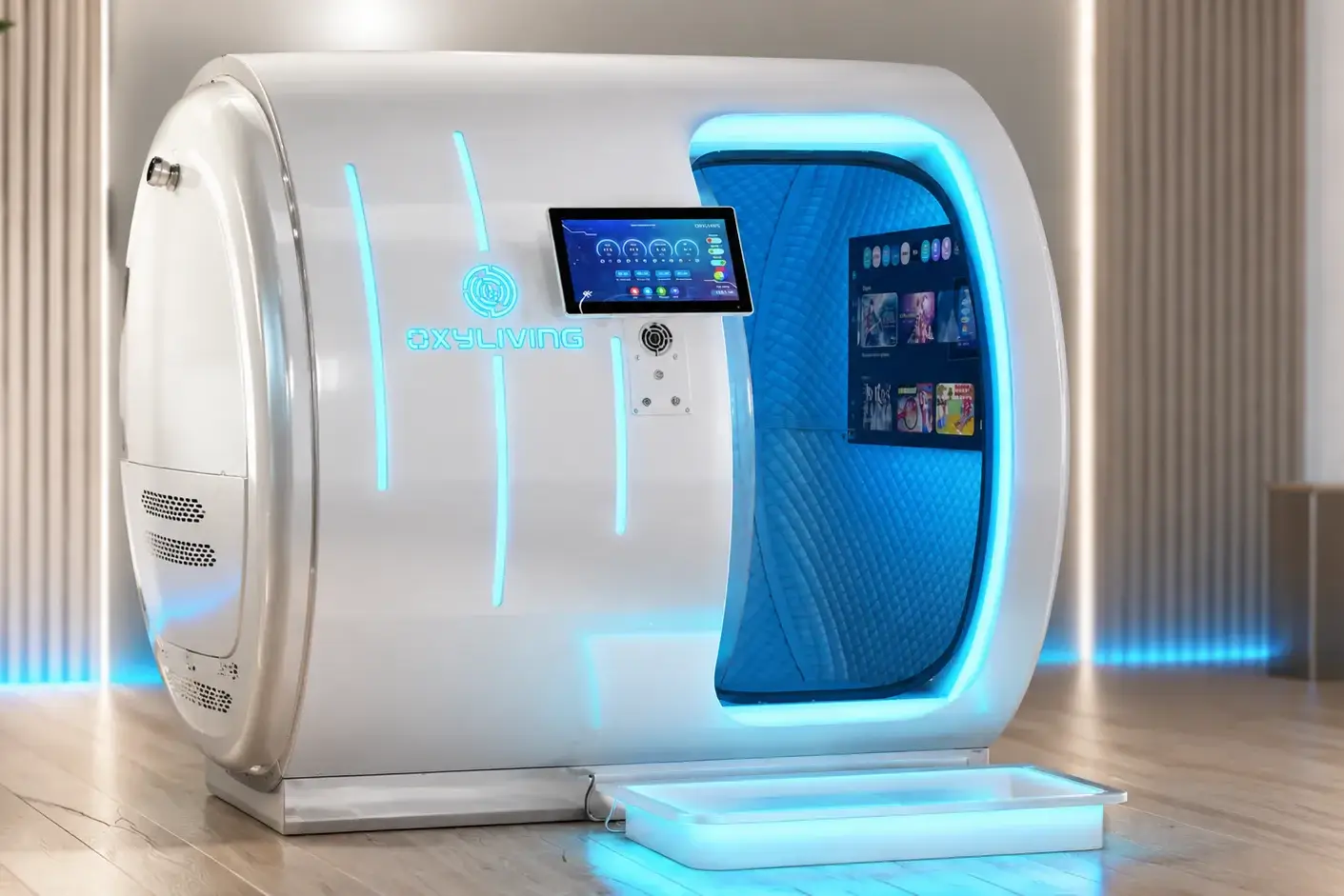









An oxygen chamber for athletes has become one of the most talked-about tools in modern recovery — and for a simple reason. Training breaks the body down; recovery is when it rebuilds. Because oxygen is central to how the body repairs and re-energizes itself, a growing number of active people are exploring an oxygen chamber for athletes as part of how they bounce back between sessions and events. This guide explains what the idea is really about, what a session involves, and how to choose a chamber — honestly, without overstating what oxygen can do.
Why athletes explore an oxygen chamber for recovery
Every hard training session creates micro-stress in muscle and connective tissue. The body’s job afterwards is to clear metabolic by-products, rebuild tissue and restore energy stores — and every one of those processes depends on a steady supply of oxygen. That’s the core reason interest in high-pressure oxygen has spread through the sporting world, from endurance athletes to team-sport players to weekend enthusiasts.
An oxygen chamber for athletes works on a straightforward principle: by breathing oxygen-rich air under gentle pressure, more oxygen dissolves into the bloodstream and can travel to the tissue that depends on it. It’s an area of genuine and growing interest and ongoing research — not a promise of specific results, and not a shortcut around good training, sleep and nutrition. Think of it as one more supportive input, alongside the fundamentals that matter most.
What the research explores
It’s important to be clear-eyed here. Rather than claiming outcomes, it’s more useful to describe the areas researchers and athletes are curious about when it comes to an oxygen chamber for athletes:
- Recovery between sessions. Interest in how oxygen-rich time may support the body’s natural recovery processes after intense effort.
- Everyday freshness. Many athletes simply value structured, quiet recovery time as part of a demanding schedule.
- Supporting tissue repair. Oxygen is fundamental to how the body rebuilds and maintains healthy tissue.
- Managing a heavy training load. Those juggling frequent training explore recovery tools that fit repeatedly into a week.
Sports science continues to investigate high-pressure oxygen, and reputable bodies such as the American College of Sports Medicine publish evolving guidance on recovery more broadly. The honest position is that this is an area of active interest — worth exploring with realistic expectations rather than treating as a guaranteed edge.
How a session fits into an athlete’s routine
One of the reasons an oxygen chamber for athletes is appealing is how easily a session slots into a training week. There’s no strenuous effort involved — the experience is closer to a quiet reset than another workout. A typical session looks like this:
- Settle in. You recline comfortably inside the chamber, often after a training day.
- Gentle pressurization. Over a few minutes, the pressure rises slowly toward about 2 ATA — a sensation like an aircraft descending.
- Breathe and recover. For the main part of the session you simply breathe oxygen-rich air and rest.
- Gradual return. The pressure eases back down and you step out, ready to carry on.
Sessions commonly last 45 to 90 minutes, and most athletes treat them as a regular habit rather than a one-off. Because the time is calm and screen-free, many also value it simply as protected recovery — a rare pocket of genuine rest in a busy schedule. You can read more about the underlying idea on our Athletic Recovery page.
Who uses an oxygen chamber for athletes?
The appeal spans a wide range of sport and activity levels:
- Endurance athletes — runners, cyclists and triathletes managing high training volume.
- Team-sport players — where congested fixtures leave little time to recover between matches.
- Strength and power athletes — exploring recovery around demanding sessions.
- Active everyday people — who train seriously and want to feel fresher day to day.
- Sports facilities and wellness centres — offering recovery options to members and clients.
For a professional setting, a chamber becomes part of the recovery offering; for an individual, it’s a way to bring consistent recovery time home.
Choosing the right oxygen chamber for athletes
If you’re considering a chamber — whether for personal use or a facility — a few factors separate a well-engineered system from a basic one:
- Pressure. A rigid, hard-shell chamber that reaches and holds around 2 ATA delivers the fuller high-pressure oxygen experience.
- Build quality. Marine-grade aluminium (such as 5083 alloy) offers strength and longevity for repeated daily use.
- On-site oxygen generation. Built-in concentrators producing around 93% oxygen remove the hassle of cylinders.
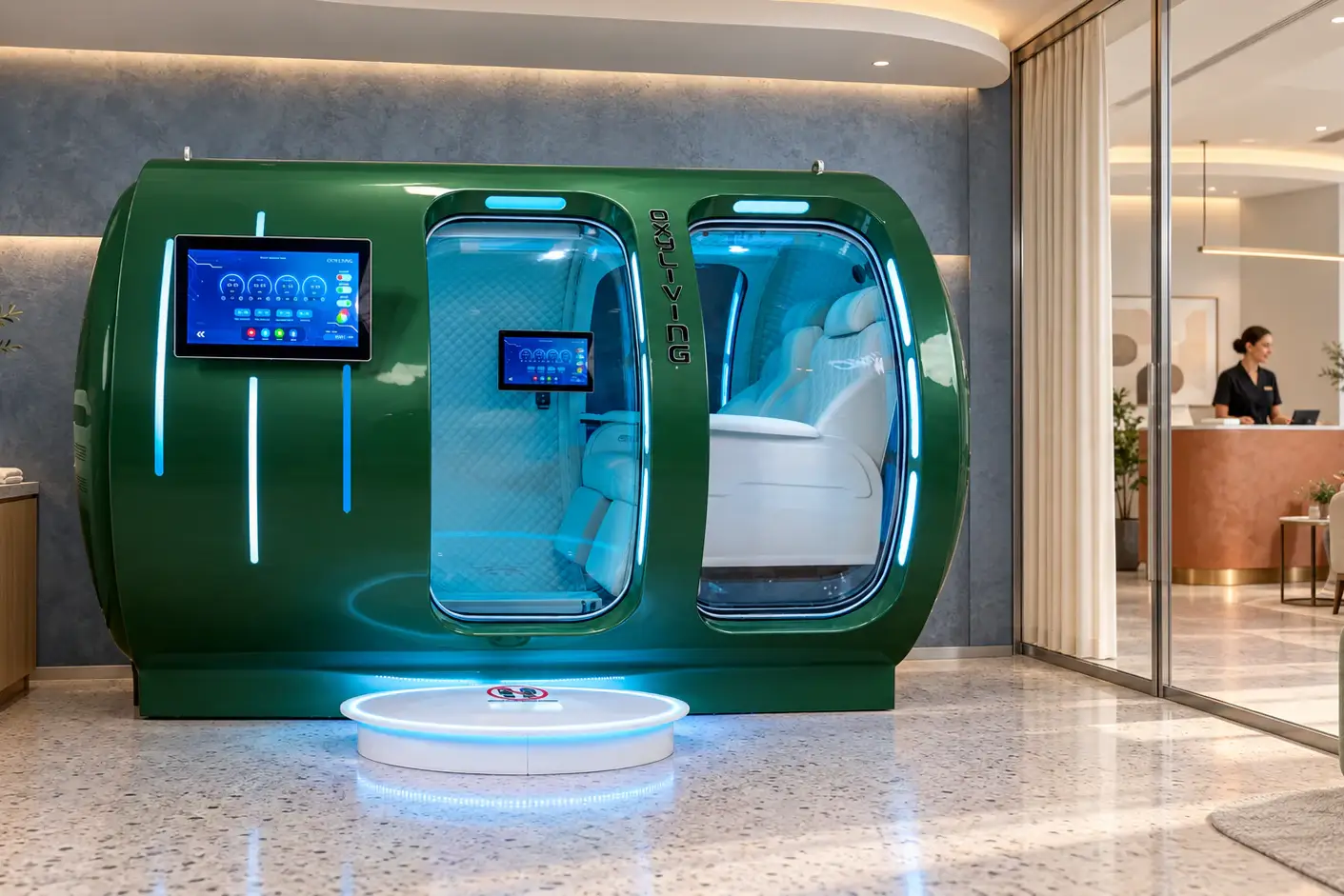
- Comfort. A roomy, quiet cabin with clear windows and good lighting makes regular sessions something you’ll actually keep doing.
- Safety systems. Automatic ventilation and multiple oxygen sensors.
- Capacity. Single-person capsules for home use, or multi-person rooms for teams and facilities.
You can compare sizes and configurations on our chambers page, or request a quote for guidance tailored to your training setup or facility.
Realistic expectations
It’s worth repeating, because it matters: an oxygen chamber for athletes is a supportive tool, not a substitute for the fundamentals. The athletes who get the most from it treat it as a complement to consistent training, quality sleep, sound nutrition and sensible load management — not a replacement for any of them. Approached that way, with realistic expectations, it becomes a calm and repeatable part of a recovery routine that many people genuinely look forward to.
Frequently asked questions
What is an oxygen chamber for athletes?
It’s a sealed capsule or room where you breathe oxygen-rich air at a pressure higher than normal — typically around 2 ATA. Athletes explore it as part of their recovery routine between training sessions and events.
How often would an athlete use one?
There’s no single rule; it depends on training load and goals. Most people treat it as a regular habit, with sessions of 45 to 90 minutes fitted into their weekly routine.
Does using an oxygen chamber guarantee better performance?
No. High-pressure oxygen is an area of interest and ongoing research, not a guarantee of results. It’s best seen as a supportive input alongside good training, sleep and nutrition.
Is a session hard work?
Not at all. You simply recline and breathe oxygen-rich air while the pressure gently rises and falls. The only sensation is a mild ear-equalizing feeling, similar to flying.
Can a sports facility offer oxygen chamber sessions?
Yes. Multi-person rooms and single capsules are both available, making it practical for gyms, clubs and recovery studios to offer sessions to members and clients.
The bottom line
An oxygen chamber for athletes is a calm, repeatable way to bring more of the oxygen the body runs on into a recovery routine — an area of real and growing interest across every level of sport. Treated realistically, as a complement to the fundamentals, it’s a tool many active people value. If you’d like to find a chamber suited to your training or facility, explore our range of oxygen chambers or talk to us and we’ll help you choose.
These are areas of general interest and ongoing research — not promises of results. High-pressure oxygen is not a substitute for medical advice or diagnosis. Please consult a physician for any decisions about your health.
Related Posts

September 21, 2026
How Much Does a Hyperbaric Chamber Cost?
Hyperbaric chambers have no list price. What actually drives the cost, what you…

September 21, 2026
What Does Hyperbaric Mean? Rooms and Chambers Explained
Hyperbaric is a technical term for pressure above normal. What the word means,…